

Teen Anxiety Around Exams – A Silent Killer Every Parent Must Address
Exams are meant to assess learning—but in today’s competitive world, they’ve become a major source of stress for teenagers. While some level of nervousness is natural, what many parents don’t realize is that exam anxiety can silently take a heavy toll on their child’s mental and emotional health.
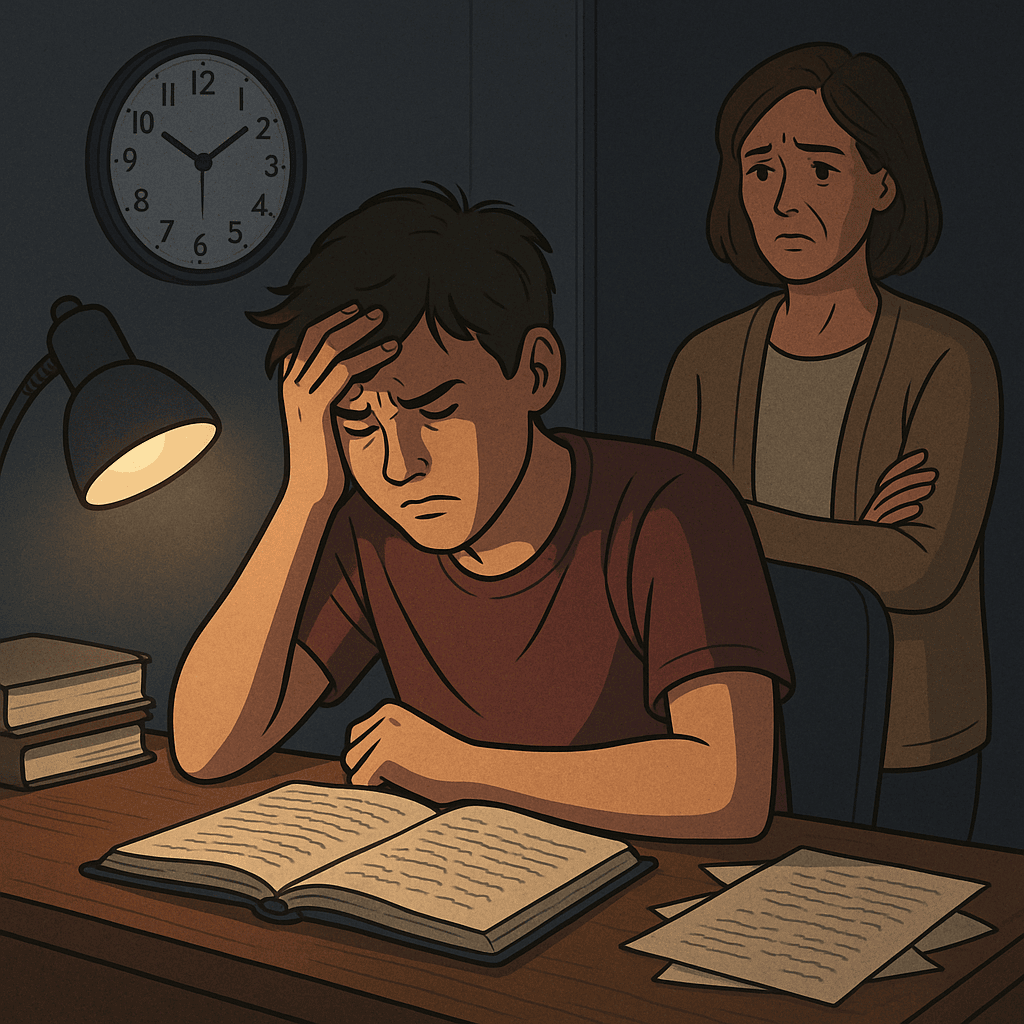
Exam anxiety is more than just feeling “tense” before a test. It’s a psychological condition marked by intense fear, stress, and panic before or during exams. It can:
- Disrupt sleep
- Cause nausea, headaches, or stomach pain
- Lead to panic attacks or breathlessness
- Affects memory recall (blanking out)
- Lower academic performance despite preparation
The worst part? Most teenagers suffer in silence, afraid to disappoint their parents or appear weak.
Why Parents Must Pay Attention
As a parent, you want the best for your child. But unintentionally, the pressure to perform, constant comparisons, and unrealistic expectations can push a child to the breaking point.
Here’s what’s really happening in many homes:
- “What will people say if you fail?”
- “You have to score 90+ this time!”
- “Look at your cousin… why can’t you be like them?”
These words, even if spoken with good intent, can deeply affect a child’s self-esteem and emotional balance.
⚠️ Common Signs of Exam Anxiety in Teens
You might notice these subtle or obvious signs:
- Changes in eating or sleeping habits
- Frequent headaches, stomach aches without medical cause
- Mood swings, irritability, or withdrawal
- Avoiding studies or becoming overly obsessed
- Sudden drop in interest or motivation
- Unexplained crying or anger outbursts
Ignoring these signs can lead to chronic anxiety, depression, or even self-harm thoughts.
What Can Parents Do?
Your child doesn’t need a coach at home—they need a cheerleader. Here’s how you can help:
Talk Openly
Create a safe space where your child can express their fears without fear of judgment. Ask, “How are you feeling about the exams?” rather than “How much have you studied?”
Avoid High-Pressure Statements
Instead of saying “Don’t let us down,” try “We believe in your effort, not just the marks.”
Set Realistic Expectations
Every child has different strengths. Let them know it’s okay not to be perfect.
Encourage Study Breaks
Breaks improve focus. Don’t shame them for watching a show or going for a walk.
Praise the Process, Not Just the Result
Appreciate consistency, not just high scores. Say, “I’m proud of your dedication,” not just “Good, you got 95.”
Consider Counseling if Needed
If signs of anxiety persist, speak to a school counselor or mental health professional. Early support prevents long-term damage.
A Final Word to Parents
Your child’s mental health is more important than any exam result. Marks are temporary—but the scars of unaddressed anxiety can last a lifetime.
Be the parent who listens. Who understands. Who supports—unconditionally.
Because what your child truly needs is not pressure to perform, but permission to breathe.
Behind every grade is a child’s silent struggle—BE THE PARENT WHO LISTENS…..